Meta Description: Sciatica causes shooting pain from the lower spine down the legs. Explore its causes, symptoms, and how non-surgical treatment can provide lasting nerve relief.
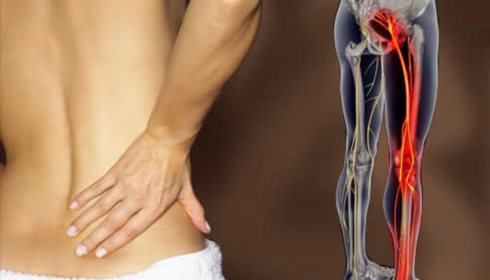
The pain appears suddenly – a sharp, electric sensation that starts somewhere deep in the lower back and shoots downward through the buttock, thigh, and sometimes all the way to the foot. For many people, this is their first encounter with sciatica, and it’s rarely something they forget.
Sciatica affects millions of adults globally. Yet despite how common it is, it remains widely misunderstood. Many people confuse it with general lower back pain, delay seeking care, or resort to painkillers that treat the sensation but not the source.
Understanding what sciatica actually is – and what genuinely helps – is the first step toward getting your life back.
What is the Sciatic Nerve, and Why Does It Cause So Much Trouble?
The sciatic nerve is the longest and widest nerve in the human body. It originates from several nerve roots in the lower lumbar spine, travels through the pelvis and deep into the gluteal muscles, and branches down both legs to the feet. Because of its sheer length and depth, it’s vulnerable to compression at multiple points.
When something presses on the sciatic nerve – a herniated disc, a bone spur, a tight piriformis muscle, or a narrowed spinal canal – the resulting irritation sends distress signals along the entire nerve pathway. The brain interprets this as pain, numbness, or weakness anywhere along that route.
The Many Faces of Sciatic Pain
Sciatica doesn’t always present the same way. Some people experience a dull, persistent ache. Others describe burning or electric-shock sensations that flare with movement. Still others notice more subtle symptoms: a strange heaviness in one leg, difficulty lifting the foot, or a tingling that comes and goes.
Common symptoms include:
- Shooting pain from the lower back into one or both legs
- Worsening discomfort when sitting for extended periods
- Numbness or reduced sensation along the outer thigh or calf
- Muscle weakness that affects walking or climbing stairs
- Pain that temporarily eases when lying down
The variety of symptoms is partly why sciatica is sometimes missed or misattributed. A thorough assessment by a spinal care specialist can identify the true source of the nerve compression.
Why Sciatica Shouldn’t Be Left to Resolve on Its Own
Sciatica can improve without treatment, particularly if it’s caused by a minor disc bulge that settles with time. But banking on this outcome is risky. Without addressing the underlying spinal condition, the nerve remains vulnerable to repeated compression. Early, targeted Sciatica Treatment reduces this risk significantly.
Non-Surgical Approaches That Actually Work
The goal of effective sciatica treatment isn’t simply to quiet the pain signal – it’s to remove the source of nerve irritation. Non-surgical options have become increasingly sophisticated and, for the majority of patients, highly effective.
Spinal decompression treatment uses a computerised, controlled decompression mechanism to gently separate compressed vertebrae. As the disc is decompressed, the herniated material can retract away from the nerve, and the disc itself benefits from improved fluid and nutrient exchange – conditions that support natural healing.
Targeted physiotherapy addresses the muscular imbalances and movement patterns that either cause or perpetuate the nerve compression. Strengthening the deep spinal stabilisers and hip rotators reduces pressure on the lumbar spine and gives the nerve the space it needs.
Postural correction and lifestyle guidance tackles the environmental triggers – prolonged sitting, poor ergonomics, asymmetrical loading – that set the stage for sciatic nerve irritation in the first place.
What Daily Life Looks Like During Sciatica Recovery
Recovery from sciatica requires thoughtful movement rather than complete rest. Gentle walking, swimming, and carefully chosen stretching exercises keep the nerve mobile without aggravating the compression. Sitting on unsupportive surfaces, crossing the legs habitually, or suddenly bending to pick something up can all provoke flare-ups during recovery.
Consistency matters enormously. Patients who follow their treatment protocols closely and make the recommended lifestyle adjustments tend to recover faster and experience fewer relapses.