
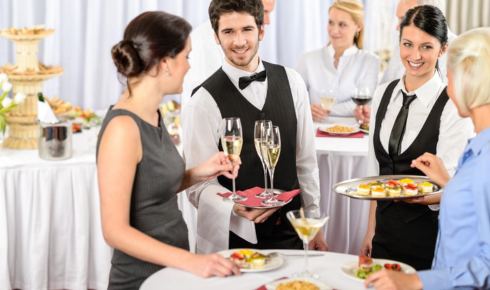
The hospitality industry continues to evolve as consumer expectations shift toward more meaningful and immersive experiences. Traditional dining and social gatherings no longer deliver the same level of excitement for audiences seeking memorable interactions. Modern consumers value authenticity, entertainment, personalization, and emotional connection, making experiential food and drink events one of the fastest-growing trends in hospitality and event culture.
Experiential food and drink events combine culinary creativity, curated beverages, music, ambiance, and interactive entertainment to create unforgettable moments that engage guests on multiple sensory levels. These experiences move beyond simply serving meals or drinks. Instead, they focus on storytelling, atmosphere, and participation to create stronger emotional connections between guests, brands, and venues.
As social media continues influencing consumer behavior, immersive dining and beverage experiences have become highly shareable and visually engaging. Event organizers, restaurants, hospitality brands, and entertainment venues increasingly invest in creative concepts that encourage guests to participate, capture moments, and share experiences online. This growing demand continues reshaping the future of food and beverage entertainment.
The Rising Popularity of Experiential Food and Drink Events
Consumer preferences have changed dramatically over the last decade. Audiences now prioritize experiences over material purchases, particularly among younger generations seeking memorable social activities. Experiential food and drink events satisfy this demand by combining entertainment with culinary innovation in ways that feel unique and emotionally engaging.
Guests no longer seek only high-quality meals or premium cocktails. They expect experiences that stimulate conversation, encourage discovery, and create lasting memories. Interactive tasting menus, themed dining environments, live chef presentations, sensory cocktail experiences, and music-driven culinary showcases have become powerful tools for attracting modern audiences.
Several factors contribute to the continued rise of immersive hospitality experiences:
- Increased demand for personalized entertainment
- Growth of social media-driven dining culture
- Consumer interest in unique local experiences
- Greater focus on emotional engagement
- Expansion of experiential marketing strategies
- Desire for community-centered social events
These trends continue pushing businesses to rethink how food and beverage experiences are presented and consumed.
How Immersive Dining Enhances Guest Engagement
Experiential food and drink events create stronger guest engagement because they involve more than taste alone. Successful events stimulate multiple senses, including sound, sight, texture, aroma, and interaction. This multi-sensory approach creates deeper emotional responses that traditional dining often cannot achieve.
For example, carefully curated music and lighting can influence mood and shape guest perception throughout an event. Interactive plating presentations, chef storytelling, and beverage pairings also contribute to a more engaging environment. Guests become active participants rather than passive diners.
Immersive experiences often encourage:
- Longer guest interaction
- Increased social sharing
- Higher customer satisfaction
- Stronger emotional connection
- Greater brand recall
- Increased repeat attendance
Businesses that create emotionally memorable experiences often build stronger long-term customer relationships.
The Role of Atmosphere in Experiential Events
Atmosphere plays a critical role in the success of experiential food and drink events. Every detail contributes to the overall guest experience, including sound design, lighting, furniture layout, visual presentation, and event pacing.
Music, in particular, has become an essential component of immersive hospitality experiences. Curated sound environments can influence guest emotions, energy levels, and overall engagement. Soft ambient music may create intimate dining moments, while high-energy playlists can transform events into lively social gatherings.
Lighting also affects guest perception. Warm lighting often creates comfort and intimacy, while dynamic visual effects can add excitement and theatrical impact. Combining sensory elements allows event organizers to create environments that feel distinctive and memorable.
Thoughtful atmosphere design can:
- Increase guest comfort
- Improve event flow
- Encourage social interaction
- Enhance emotional engagement
- Elevate food and beverage presentation
- Strengthen overall brand identity
When sensory elements work together cohesively, the experience feels more intentional and impactful.
Social Media and the Growth of Shareable Experiences
Social media platforms have significantly influenced the popularity of experiential food and drink events. Guests frequently seek visually appealing experiences worth documenting and sharing online. As a result, hospitality businesses increasingly design events with digital engagement in mind.
Unique food presentations, creative cocktails, themed installations, and immersive environments naturally encourage photography and video content. Social sharing extends event visibility far beyond physical attendees, creating valuable organic exposure for brands and venues.
Experiential events often generate:
- User-generated content
- Increased online engagement
- Greater brand awareness
- Higher event visibility
- Expanded audience reach
- Stronger digital marketing opportunities
Businesses that understand social sharing behavior can create environments that naturally inspire online interaction without feeling overly promotional.
Personalization Creates Stronger Connections
Personalization remains one of the most powerful drivers behind successful experiential hospitality strategies. Guests appreciate experiences that feel tailored to their preferences and interests. Personalized event elements create stronger emotional connections and increase guest satisfaction.
Examples of personalization in experiential food and drink events include:
- Custom tasting menus
- Personalized cocktail creations
- Interactive food stations
- Guest-selected music experiences
- Private chef interactions
- Tailored dietary accommodations
These details demonstrate attention to guest experience while making attendees feel valued and included.
Modern consumers increasingly expect hospitality brands to understand individual preferences and deliver experiences that feel authentic rather than generic. Personalization helps businesses stand out in highly competitive markets.
Innovation Continues Driving Hospitality Trends
Innovation remains essential within the evolving world of immersive hospitality experiences. Businesses that embrace creativity and experimentation often gain stronger audience attention and long-term customer loyalty.
Emerging trends within experiential food and drink events include:
Multi-Sensory Dining Experiences
These events combine lighting, sound, projection mapping, aroma effects, and storytelling to create highly immersive dining journeys. Guests experience food through multiple sensory layers that enhance emotional engagement.
Interactive Beverage Programs
Cocktail-making workshops, spirit tastings, and mixology demonstrations encourage guest participation while creating educational entertainment opportunities.
Pop-Up Culinary Concepts
Temporary themed dining experiences generate excitement by offering limited-time exclusivity and unique creative concepts.
Hybrid Entertainment Experiences
Many events now combine live music, culinary showcases, performance art, and social interaction to create multi-dimensional experiences that appeal to broader audiences.
Innovation allows hospitality brands to remain relevant while continuously attracting new audiences.
Building Community Through Shared Experiences
Experiential food and drink events also contribute to stronger community engagement. Shared dining and entertainment experiences naturally encourage conversation, collaboration, and social interaction among attendees.
Community-focused events help create welcoming environments where guests connect through shared interests and cultural appreciation. These experiences often foster stronger loyalty and positive word-of-mouth marketing.
Benefits of community-centered events include:
- Increased customer retention
- Stronger local partnerships
- Enhanced brand trust
- Greater audience participation
- Positive customer experiences
- Long-term relationship building
Hospitality businesses that prioritize meaningful guest interaction often create more sustainable customer relationships over time.
The Importance of Authentic Brand Experiences
Authenticity has become increasingly important within modern hospitality marketing. Consumers quickly recognize experiences that feel overly commercial or disconnected from genuine creativity. Successful experiential food and drink events reflect authentic storytelling, thoughtful design, and consistent brand identity.
Brands that maintain authenticity often achieve stronger customer trust and deeper audience loyalty. Every aspect of the event experience should align with the brand’s personality, mission, and values.
Businesses such as Echo Taste and Sound highlight how immersive hospitality concepts can successfully combine culinary culture, curated sound experiences, and engaging social environments to create memorable guest interactions.
Authentic experiences help audiences feel emotionally connected rather than simply marketed to.
Why Experiential Hospitality Represents the Future
Experiential hospitality continues gaining momentum because it satisfies evolving consumer expectations centered around engagement, emotion, and memorable interaction. Modern audiences seek experiences that provide both entertainment and meaningful connection, making immersive food and beverage concepts increasingly valuable across industries.
Restaurants, event venues, hotels, nightlife destinations, and hospitality brands continue adopting experiential strategies to remain competitive in rapidly changing markets. Businesses that prioritize creativity, personalization, and sensory engagement are more likely to attract modern consumers seeking unique experiences.
The future of hospitality will likely continue emphasizing:
- Immersive storytelling
- Multi-sensory engagement
- Personalized guest experiences
- Technology-enhanced interactions
- Community-focused events
- Social-media-friendly environments
As competition grows within the hospitality industry, memorable experiences will remain one of the most powerful ways to capture attention and build long-term customer loyalty.
Conclusion
Experiential food and drink events continue transforming the hospitality landscape by creating immersive environments that combine culinary creativity, entertainment, atmosphere, and emotional engagement. These experiences offer more than meals or beverages alone. They create memorable moments that encourage social interaction, inspire digital sharing, and strengthen audience connection.
Businesses embracing immersive hospitality strategies can improve guest satisfaction, increase brand visibility, and build stronger customer relationships through meaningful experiences. As consumer demand for authentic and engaging social environments continues growing, experiential food and drink events will remain a driving force shaping the future of hospitality and entertainment.