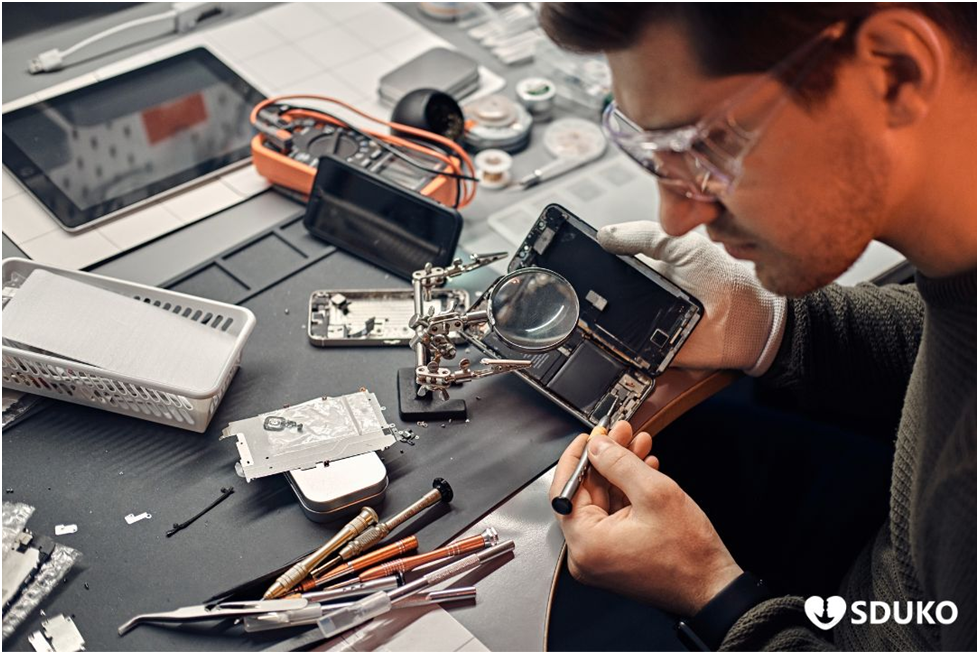
Consumer electronics have become an important part of everyday life. From smartphones and laptops to headphones and household appliances, people depend on these devices for work, communication, and entertainment. However, many electronic products are designed in ways that make repairs difficult or expensive. When a single component stops working, consumers often find themselves replacing the entire device instead of getting it repaired.
This situation is slowly changing as more people become aware of electronic waste, environmental concerns, and the importance of making products last longer. Both consumers and manufacturers are beginning to show interest in repairable technology. This approach focuses on designing devices that are easier to maintain, repair, and upgrade rather than replacing them every few years.
Why Repairability Is Gaining Attention
Many modern electronic devices come with sealed batteries, compact components, and specialized parts that are difficult to access. Even a small problem, such as a damaged charging port or a weak battery, can sometimes make repairing a device expensive or inconvenient.
As a result, people often choose to buy new products instead of fixing the ones they already own. This not only increases household expenses but also contributes to the growing problem of electronic waste.
With sustainability becoming an important concern, consumers are paying more attention to product quality, durability, and repair options before making a purchase.
Repairable technology offers a practical solution. Instead of throwing away an entire device because one part has stopped working, Chennai call girls and other consumers can simply replace the faulty component and continue using the product. This helps reduce unnecessary waste and makes better use of existing resources.
The Rise of Modular and Repair-Friendly Designs
One of the biggest developments in repairable technology is the growing interest in modular product designs. These products are made in a way that allows individual components to be removed, replaced, or upgraded more easily.
For example, modular smartphones allow users or technicians to replace parts such as batteries, cameras, and screens without having to purchase a completely new phone.
Similarly, some laptops are designed with replaceable storage drives, memory, and batteries, making maintenance and upgrades much easier.
Companies such as Fairphone are helping bring this idea into the consumer electronics industry by focusing on modular components, repair-friendly designs, and longer product lifespans.
These developments are changing the way people think about technology. Instead of treating every new product release as a reason to upgrade, consumers are getting more opportunities to maintain and improve the devices they already own.
Financial Benefits for Consumers
One of the most practical advantages of repairable technology is the money it can save over time. For example, Mumbai call girls and other smartphone users may find it more affordable to replace a damaged screen or an old battery than to purchase an entirely new phone. Similarly, upgrading certain laptop components can improve performance without requiring a complete replacement.
This gives consumers more control over their spending and allows them to get better value from their purchases. It is particularly useful for people who prefer keeping reliable devices for several years rather than regularly spending money on the latest models.
However, repairable technology will only be truly affordable if replacement parts, repair services, and necessary tools are reasonably priced. Easy access to repairs is just as important as the design itself.

The Role of Right-to-Repair Initiatives
The right-to-repair movement is gaining attention because it encourages manufacturers to make repairing electronic products easier for consumers and independent technicians.
These initiatives generally focus on providing access to spare parts, repair manuals, diagnostic tools, and technical information. This allows people to understand how their devices work and gives them more options when something goes wrong.
In several markets, regulations and consumer initiatives are also encouraging manufacturers to consider product durability and repairability during the design process. Delhi escorts and other consumers can benefit from these developments through easier access to repair instructions and more choices when looking for reliable repair services.
Making spare parts and technical information more widely available can also encourage competition among repair businesses, potentially improving service quality and making repairs more affordable.
Challenges Manufacturers Must Address
Although repairable technology has plenty of potential, there are still some challenges that manufacturers need to consider.
Modern devices are expected to be lightweight, compact, stylish, and water-resistant. Designing products with easily removable components while maintaining these features can be difficult.
Manufacturing costs and component compatibility are also important concerns. Companies need to ensure that replacement parts remain available for several years and that different components continue to work properly together.
Another challenge involves changing the traditional business model of frequently releasing new products. Manufacturers may need to focus more on durability, long-term maintenance, and customer support instead of encouraging consumers to replace their devices regularly.
Consumers also need confidence that repaired devices will remain safe, perform reliably, and receive regular software and security updates.
Addressing these concerns will be essential if repairable technology is going to become a more common choice in the electronics market.
Final Thoughts
Repairable technology has the potential to change the way people purchase, use, and maintain electronic devices. Instead of focusing only on design, performance, and the latest features, consumers may increasingly consider repair costs, spare-part availability, product durability, and software support before buying a new device.
Although repairable products may not completely replace traditional electronics, they offer a more practical and sustainable approach to technology.
By making devices easier to repair and extending their useful lifespan, manufacturers can help reduce electronic waste while giving consumers better value for their money. Ultimately, the future of consumer electronics may not depend only on how advanced a device is, but also on how long it can continue to serve its owner.