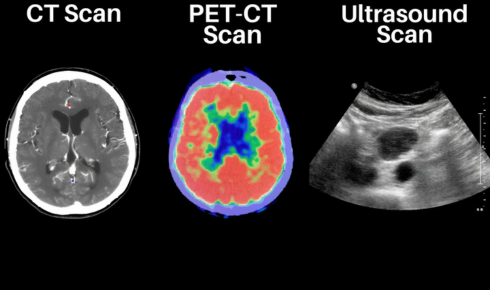
Medical scans can sound scary, but they’re just different ways of looking inside the body.
X-rays use a small amount of radiation to show bones and some chest structures. They’re quick, widely available and often used for fractures or lung checks.
Ultrasound uses sound waves, not radiation. It’s common in pregnancy, abdominal scans, and some soft tissue checks. A gel is applied, and a probe moves over the skin surface.
CT (Computed Tomography) scans are advanced X-rays taken from many angles and combined by a computer to make detailed cross-sectional images. They show bones, organs and some blood vessels more clearly but use more radiation than plain X-rays.
MRI (Magnetic Resonance Imaging) uses strong magnets and radio waves—no radiation. It’s excellent for soft tissues like brain, spinal cord, joints and some organs. It usually takes longer and can be noisy; metal implants must be discussed with the team beforehand.
Your doctor chooses the scan type based on what they are looking for—there’s no single “best” scan for everything. If you’re worried, ask: what is this test for, and how will results change the treatment plan?