Over the years, we collect lab reports, prescriptions and discharge summaries in random envelopes and drawers. When you actually need them, they’re suddenly missing.
Building a personal medical file keeps your history clear and saves time and confusion at future appointments.
You can use a physical folder with sections—lab tests, imaging (X-ray, ultrasound, CT, MRI reports), discharge summaries, old prescriptions, vaccination records. Arrange them by date.
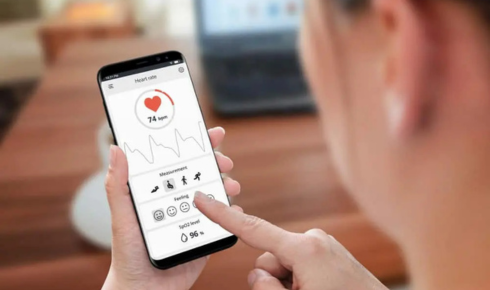
Or you can scan/photograph important documents and store them in clearly labelled digital folders on your phone or cloud—backed up so they don’t vanish if you lose a device.
Keep a front sheet with key information: chronic conditions, surgeries, allergies, regular medicines, and emergency contacts. This is especially useful in emergencies.
Carrying a compact version of this file (physically or in your phone) to doctor visits helps them see the full picture instead of treating each problem as brand new.
A little organisation now makes future health care smoother for you and your family.