After an injury or surgery, many people think rest alone will fix everything. But in many cases, rehabilitation is just as important as the operation or initial treatment.
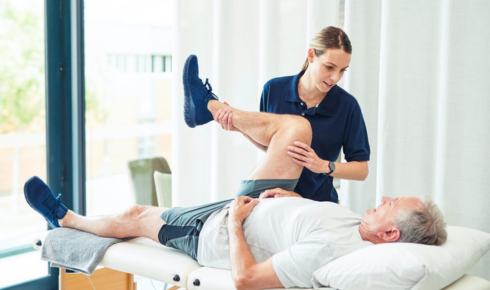
Physical rehab focuses on restoring movement, strength, flexibility and function. Without it, joints may stiffen, muscles weaken, and you may never return to your previous activity level.
In the early phase, rehab may look very gentle—breathing exercises, small movements in bed, learning safe ways to sit, stand or use aids. Later, it may include more active exercises, balance training, and task-specific practice (like climbing stairs or lifting objects).
A physiotherapist or rehab team tailors the plan to your injury, surgery type, pain levels and overall health. Doing random exercises from the internet can sometimes delay healing.
Progress is often gradual. Some days feel great; others feel slow. But measured, consistent work over weeks or months usually gives far better outcomes than minimal movement and fear of pain.
If something in your rehab feels wrong or too painful, always discuss it with your therapist or doctor. Rehab is supposed to challenge you—not harm you.