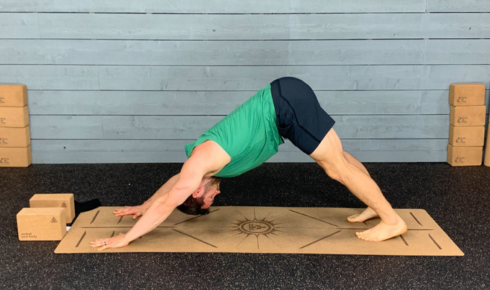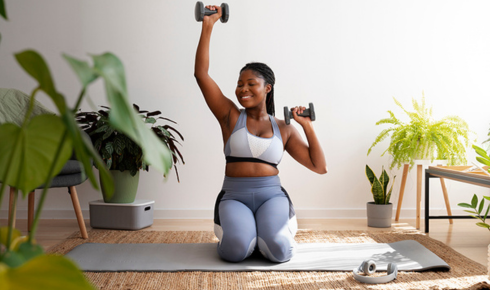
Knee pain or weak joints don’t always mean you must avoid exercise forever. In fact, gentle, smart movement often helps—but it must be done carefully.
First, if pain is new, severe, from an injury, or associated with swelling, locking, or giving way, you should see a doctor or physiotherapist before starting anything.
Avoid high-impact moves like jumping, fast running on hard surfaces, or deep squats and lunges with heavy weights until a professional clears them.
Focus on low-impact options: walking on flat surfaces, cycling, elliptical machines, swimming or water exercises. These move joints without pounding them.
Strengthening the muscles around the knees (thighs, hips, glutes) reduces load on the joint. Physios often prescribe controlled exercises like straight leg raises, wall sits, step-ups or band work, tailored to your condition.
Shoes matter. Supportive, cushioned footwear and sometimes insoles can improve alignment and shock absorption.
Pain during exercise should be monitored. Mild discomfort can be okay; sharp or worsening pain is not. Move within your safe zone and build up gradually.