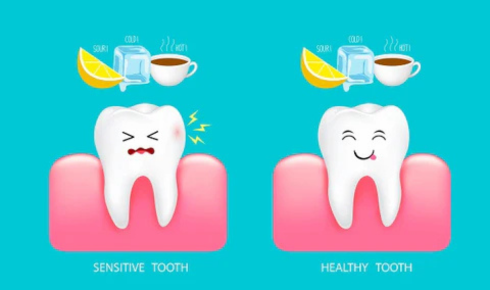
Tooth sensitivity feels like a short, sharp “electric” pain when you eat or drink something cold, hot or sweet. It’s usually a sign that the protective outer layer of the tooth (enamel) or gums has been worn or damaged.
Common triggers include: brushing too hard with a hard brush, grinding teeth, gum recession, frequent acid attacks from fizzy drinks or reflux, or recent dental work. Tiny cracks or worn fillings can also expose sensitive areas.
Home-level relief starts with switching to a soft-bristled toothbrush and gentler brushing. Press less; let the bristles do the work. Use a toothpaste specially made for sensitive teeth—these help block nerve pathways over time. Don’t expect magic in one day; they work best with regular use.
Avoid very hot–cold extremes for a while and cut down on acidic foods and drinks (colas, sour candies, constant lemon water). Rinse with plain water after such items.
Sensitivity that suddenly appears, or affects just one tooth, can also mean a cavity, fracture or deeper problem. If the pain is strong, lingers for long after the trigger, or keeps getting worse, it’s time to see a dentist instead of only relying on toothpaste.
Early attention often means simple treatment instead of bigger work later.